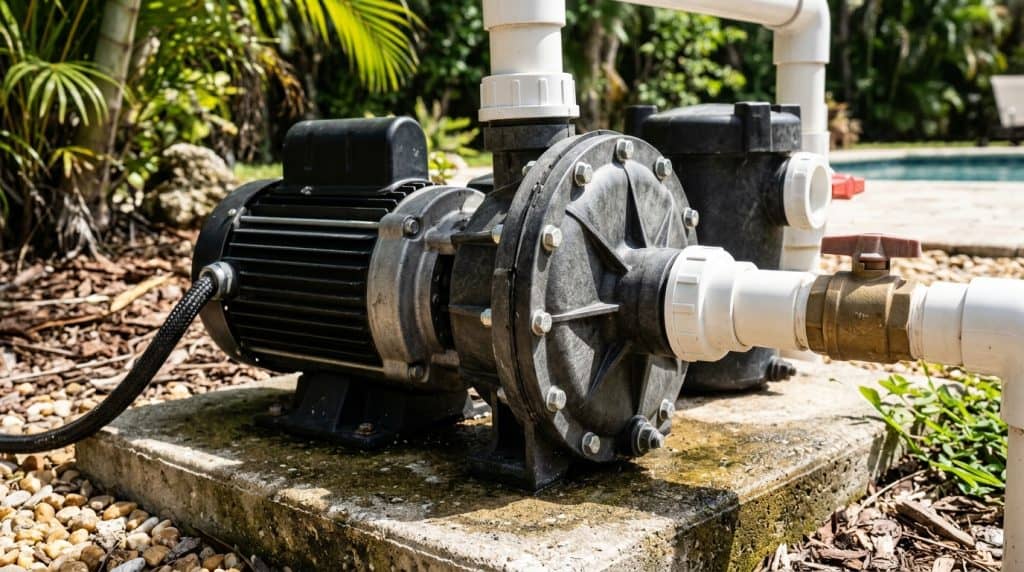
The relentless Florida sun demands a perfectly circulating pool, but when your backyard oasis starts emitting an unnerving shriek, that tranquility quickly evaporates. A high-pitched wail from your equipment pad isn’t just irritating; it’s a critical distress signal from your pool’s circulatory system. Understanding these auditory warnings can save you significant repair costs and prevent system failure.
Decoding the Dreaded Pool Pump Scream: Common Culprits
A noisy pool pump motor can disrupt the peace of any Tampa Bay backyard. When that familiar hum escalates into a piercing scream, it’s almost always an indication of significant mechanical stress or a critical operational fault. Addressing this promptly is essential not only for your sanity but for the longevity of your entire pool system. Often, the root cause lies within the pump’s internal components, which are constantly working under demanding conditions, particularly in our hot and humid climate. For homeowners who rely on consistent performance, understanding these underlying issues is the first step toward a solution. If you’re experiencing this, it might be time to consider professional assistance, especially if you haven’t had recent weekly pool service and chemical maintenance, as neglect can exacerbate these problems.
Failing Motor Bearings: The Most Frequent Offender
By far, the most common reason for a pool pump motor making a screaming noise is the degradation of its internal bearings. These small but crucial components allow the motor’s shaft to spin smoothly at high RPMs. Over time, especially in Florida’s humid environment, the grease within the sealed bearings can dry out, or water intrusion can cause corrosion. Once the bearings begin to fail, they no longer provide a smooth, low-friction surface. Instead, they create metal-on-metal grinding, which manifests as a high-pitched whine, squeal, or outright scream. Ignoring this sound will inevitably lead to complete motor seizure, requiring a full motor replacement rather than just a bearing swap. The continuous stress on failing bearings also draws more amperage, increasing your electricity bill and potentially damaging other electrical components in the system. If pump repairs exceed half the replacement cost, upgrading to modern equipment is often the smartest choice; discover energy rebates in our guide to variable speed pool pumps under Florida energy law.
Cavitation: When Your Pump Thinks It’s a Tea Kettle
Cavitation is a phenomenon where air bubbles form and then rapidly collapse within the pump’s impeller housing, producing a sound that can range from a gravelly rumble to a high-pitched whine or even a scream, depending on its severity. This occurs when the pump is struggling to pull enough water, creating areas of low pressure where water vaporizes into bubbles. Common causes include a clogged skimmer basket or pump basket, a severely obstructed main drain, a partially closed suction-side valve, or most critically, an air leak in the suction line. Beyond the noise, cavitation is highly destructive to your pump’s impeller and housing over time, as the collapsing bubbles create microscopic shockwaves that erode the metal or plastic surfaces. Addressing cavitation quickly is vital to prevent irreversible damage to your pump’s wet end.
Air Leaks in the Suction Line: A Silent Killer of Pumps
An often-overlooked cause of a noisy pool pump motor, particularly one that sounds like it’s struggling or sucking air, is a leak in the suction line. This isn’t just about water escaping; it’s about air entering the system. Even a tiny crack in a pipe, a loose fitting, or a worn O-ring on the pump lid can allow air to be drawn into the pump. This constant influx of air disrupts the water flow, causes the pump to “run dry” intermittently, and can lead to cavitation. Symptoms might include a gurgling sound in the skimmer, persistent air bubbles returning to the pool jets, and, of course, the pump motor sounding overworked or making a high-pitched whine. Locating and sealing these leaks is crucial for pump efficiency and longevity, and sometimes requires specialized electronic acoustic pool leak detection to pinpoint the exact source.
Diagnostics: Pinpointing the Source of the Scream
Before attempting any fixes, it’s important to safely diagnose the exact cause of the noisy pool pump motor. Proper diagnosis will save you time, effort, and potentially money by preventing unnecessary repairs. Always ensure the pump is powered off at the breaker before inspecting any components. A methodical approach will help distinguish between a failing motor, an air leak, or a hydraulic issue. Understanding the specific sound the pump is making can offer significant clues; a high-pitched metallic shriek usually points to bearings, while a gurgling or slurping sound accompanied by air bubbles often indicates a suction side air leak.
Step-by-Step Troubleshooting for Florida Pool Owners
Here’s a practical guide for diagnosing your screaming pool pump: Restricted filtration flow forces circulation pumps to work harder and generate excessive noise; establish proper maintenance with our pool filter cartridge cleaning schedule.
- Check Baskets and Skimmers: Start with the simplest potential issues. Turn off the pump, then inspect and thoroughly clean both the skimmer basket and the pump’s hair and lint trap. Clogged baskets severely restrict water flow, leading to cavitation and increased motor strain. Ensure the pump lid O-ring is clean, lubricated, and properly seated when you replace the lid.
- Inspect Suction Lines for Air Leaks: With the pump running, carefully observe the pump’s clear lid (if applicable) for a continuous stream of small air bubbles. If present, this strongly suggests a suction-side air leak. Check all connections, valves, and the skimmer weir for visible cracks or loose fittings. You can sometimes pinpoint a leak by slowly pouring water over suspect connections; if the noise temporarily changes or stops, you’ve found a likely culprit.
- Listen to the Motor Directly: Power off the pump at the breaker. Carefully remove the motor’s rear cover (if accessible and safe to do so). With the power still off, try to spin the motor’s shaft by hand. It should spin freely with minimal resistance. If it feels rough, grinds, or is difficult to turn, it’s a strong indicator of bad bearings. If the shaft spins freely, the issue might be hydraulic or an internal electrical component, though bearing failure is still the primary suspect for a scream.
- Monitor Amperage Draw: If you have access to an amp meter and are comfortable using it, check the motor’s running amperage against its nameplate rating. High amperage draw, especially when accompanied by a screaming sound, further confirms that the motor is working excessively hard, often due to failing bearings or severe cavitation. This is a more advanced diagnostic step and should only be performed by those with electrical experience.
Fixes: From DIY to Professional Intervention
Once you’ve diagnosed the problem, the next step is implementing the correct fix. Some issues are manageable for a handy homeowner, while others demand the expertise of a professional pool technician. For instance, basic basket cleaning and O-ring lubrication are straightforward, but a professional pool pump and motor repair in Tampa Bay is usually required for bearing replacement or complex air leak detection. Attempting repairs beyond your skill level can lead to further damage, electrical hazards, or the need for even more costly replacements down the line.
Addressing Failing Motor Bearings: The “Pool Pump Motor Bearing Replacement Tampa” Solution
Replacing pool pump motor bearings is a moderately complex repair that involves disassembling the motor. It requires specific tools, including a bearing puller, and a good understanding of electrical and mechanical systems. The motor must be completely disconnected from power, removed from the pump wet end, and then carefully opened. The old bearings are pressed out, and new, correctly sized, sealed bearings are pressed in. While some highly experienced DIYers might attempt this, for most Tampa Bay homeowners, it’s a job best left to a qualified pool pump repair technician. Incorrect installation can lead to premature failure or even motor damage. A professional will also ensure all seals and gaskets are replaced, preventing future water intrusion, which is crucial in our humid climate.
Solving Cavitation and Suction Side Air Leaks: “Fix Air Leak in Pool Suction Line“
Fixing cavitation often involves resolving the underlying restriction or air leak. If it’s a clogged basket, simply cleaning it will resolve the issue. If it’s a persistent air leak in the suction line, the approach is more involved. Start by tightening all visible unions and connections on the suction side, including the pump lid, skimmer weir, and main drain cover. Inspect all plumbing for visible cracks or damage. For elusive leaks, specialized techniques like applying shaving cream or soapy water to suspect areas can reveal bubbles where air is being drawn in. More severe or hidden leaks might require digging up pipes or professional electronic acoustic pool leak detection services. Once located, the leak must be properly sealed or the damaged section of pipe replaced using appropriate PVC cement and primer. Ensuring a completely airtight suction system is paramount for efficient pump operation and preventing future cavitation.
When to Call a Pro: Local Expertise Matters
For complex issues like motor bearing replacement, persistent air leaks that are difficult to locate, or any electrical problem, it is always advisable to contact a professional. Tampa Bay Pool Care technicians are experienced in diagnosing and repairing all types of pool pump issues, ensuring your system runs efficiently and quietly. We understand the unique challenges posed by the Florida environment, from UV degradation of plastics to the corrosive effects of humidity on motor components. Attempting DIY electrical work or complex plumbing without proper training can be dangerous and lead to more expensive repairs. Our team can quickly assess the situation, provide an accurate diagnosis, and implement a lasting solution, often preventing a full pump replacement and saving you money in the long run. We offer comprehensive local pool maintenance services in Tampa and surrounding areas, ensuring your equipment is always in top condition.
Preventative Maintenance: Silencing the Scream Before It Starts
Proactive maintenance is the best defense against a screaming pool pump. Regular care not only extends the life of your equipment but also ensures optimal energy efficiency and a consistently clean pool. In the humid, sun-drenched environment of Tampa Bay, pool equipment endures significant stress, making preventative measures even more critical. Simple routine checks can often identify potential problems before they escalate into costly repairs, saving you money and downtime. A well-maintained pump runs quieter, uses less energy, and provides better water circulation, contributing to overall pool health and enjoyment. Adequate pump flow rate is also vital for auxiliary hardware; ensure your hydraulic setup supports seasonal warming as outlined in our review of pool heat pumps vs gas heaters in Tampa Bay.
- Regular Basket Cleaning: Clean your skimmer and pump baskets at least once a week, or more frequently during heavy debris seasons. This prevents blockages that restrict water flow and cause the pump to work harder, leading to cavitation and motor strain.
- O-Ring Lubrication: Annually, or whenever you open the pump lid, inspect and lubricate the pump lid O-ring with a silicone-based lubricant. This maintains a tight seal, preventing air leaks that can lead to cavitation and motor stress.
- Inspect Plumbing for Leaks: Periodically check all visible plumbing, especially on the suction side, for any signs of cracks, drips, or loose connections. Early detection of a small leak can prevent a larger problem.
- Professional Inspections: Schedule annual professional pool equipment inspections. A skilled technician can identify worn bearings, subtle air leaks, or other nascent problems before they become critical failures. This is especially important for the motor, as its internal components are not easily accessible for DIY checks.
- Maintain Water Chemistry: Proper water chemistry reduces corrosive effects on internal pump components and prevents scale buildup, which can impede flow and stress the pump.
As Florida’s energy efficiency standards continue to evolve, investing in the longevity and optimal performance of your pool pump becomes increasingly important. Proactive maintenance not only prevents the unsettling scream of a failing motor but also aligns with the broader goal of sustainable and cost-effective pool ownership. Ensuring your pump runs smoothly, efficiently, and quietly is a testament to sound preventative care, safeguarding your investment against the harsh tropical elements and preparing your system for any seasonal challenges, from intense heat waves to hurricane preparations.