Immediate Post-Storm Assessment: Safety First, Then Strategy
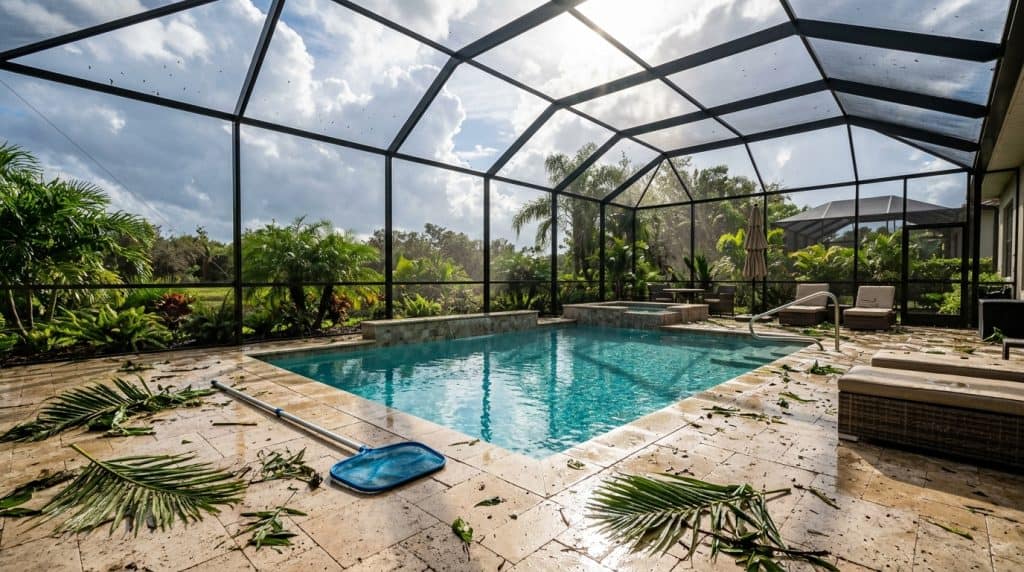
The aftermath of a tropical storm or hurricane in Florida often brings a unique set of challenges for pool owners. While the immediate urge might be to jump straight into cleanup, a methodical approach prioritizing safety is paramount. Before even considering touching your pool equipment or water, conduct a thorough visual inspection of your entire property. Look for downed power lines, structural damage to your home or pool enclosure, and any significant debris that could pose a hazard. Ensure the power to your pool equipment pad is completely off at the breaker to prevent electrical shock, especially if there’s any standing water around the equipment. Once the immediate dangers are mitigated, you can begin to assess the specific damage to your pool system. For those who prioritize proactive care and want to minimize post-storm headaches, maintaining a consistent weekly pool service and chemical maintenance schedule can significantly improve your pool’s resilience against environmental stressors, ensuring it’s in optimal condition to weather future storms.
Initial Debris Removal: Skimming and Scooping
Once it’s safe to approach the pool, the first practical step in your hurricane pool cleanup Florida strategy is to tackle large debris. This includes branches, leaves, roof tiles, toys, and any other foreign objects that have found their way into your pool. Use a heavy-duty leaf skimmer with a strong pole to remove as much surface and submerged debris as possible. Avoid using your automatic pool cleaner at this stage, as large debris can clog or damage its internal mechanisms, adding another repair to your list. Pay particular attention to the skimmer baskets and pump basket, which are likely overflowing with organic matter. Clearing these will improve water circulation once your pump system is safely restarted. This initial manual removal prevents larger items from decaying in the water, which would further complicate chemical balancing and filtration down the line.
Water Level Management: When to Drain (and When NOT To)
A common misconception after a major storm is that draining your pool is the immediate solution for a dirty or overflowing pool. However, the decision to drain your pool after a hurricane, particularly in Florida, carries significant risks. The high water table prevalent in many areas of Florida, especially around Tampa Bay, means that an empty pool can actually “float” out of the ground, causing severe structural damage to the shell. This phenomenon, known as hydrostatic pressure, can lift the entire pool, leading to cracks, leaks, and costly repairs. Only consider partial draining if your pool is overflowing significantly and you need to remove standing water to safely access equipment, or if the water is so contaminated that chemical treatment is impractical. Even then, never drain more than a third of the pool’s depth without professional advice, and always monitor the water table level. Understanding the potential for electronic acoustic pool leak detection after such events highlights the importance of not compromising your pool’s structural integrity. Hurricane-force winds frequently compromise enclosure panels; review restoration costs and maintenance advice in our overview of pool cage and screen enclosure repair for Tampa homes.
Addressing Water Quality: From Green to Clean
After a storm, it’s almost guaranteed that your pool water will be far from pristine. Heavy rain dilutes chemicals, introduces massive amounts of organic matter, and often leaves you with a murky, green, or even black pool. This phase of recovery is where patience and proper chemical management are crucial.
Shock Treatment and Filtration Strategies
Once the large debris is removed and your pump system is confirmed to be safe and operational (more on that below), it’s time to aggressively treat the water. Start by testing your water chemistry. You’ll likely find very low chlorine levels, unbalanced pH, and high alkalinity. The key to restoring clarity is a powerful shock treatment. Use a high-quality granular chlorine shock (calcium hypochlorite or sodium dichlor) at a much higher dosage than usual – often three to five times the normal amount, depending on the severity of the contamination. Broadcast the shock evenly across the pool surface, preferably at dusk or night to minimize UV degradation. Run your filter continuously for at least 24-48 hours, backwashing or cleaning your filter frequently as the debris and contaminants are removed. This continuous filtration is vital for clearing the water. For severely compromised pools, a fast 48-hour green pool recovery service can be invaluable, expediting the return to swim-ready conditions.
Cleaning Pool After Tropical Storm Tampa Bay: Algae and Sediment Control
Beyond the initial shock, you’ll need to contend with the aftermath of algae blooms and heavy sedimentation. After shocking, brush the pool walls and floor thoroughly to dislodge any clinging algae or fine particulate matter. This allows the filter to capture more contaminants. Consider using a flocculant or clarifier if your water remains cloudy after several days of shocking and filtration. Flocculants bind small particles together, making them heavy enough to sink to the bottom, where they can be vacuumed to waste. Clarifiers work by causing small particles to clump together so they can be more easily filtered. Always vacuum to waste when dealing with heavy sediment or flocculated material, as running it through your filter can quickly clog it and redistribute the contaminants. This dedicated effort is essential for a complete cleaning pool after tropical storm Tampa Bay. If storm runoff leaves your pool completely inundated with organic sludge, follow our step-by-step protocol to turn a green pool crystal clear in 48 hours.
Equipment Recovery: Flooded Pool Pump Restart Guide and Beyond
Your pool equipment is the heart of your system, and it’s particularly vulnerable during a storm. Water intrusion, power surges, and flying debris can all cause significant damage. Proceed with extreme caution when dealing with electrical components.
Inspecting and Restarting Your Pool Pump
Before attempting to restart your pump, ensure the power is OFF at the breaker. Visually inspect the pump motor for any signs of water intrusion. If the motor was submerged or shows signs of water damage, do NOT attempt to turn it on. Starting a wet motor can cause a short circuit, permanent damage, or even an electrical fire. If the motor appears dry, check the impeller for blockages from debris. Clear out any leaves, twigs, or other foreign objects. Inspect all electrical connections for corrosion or loose wires. Once you’ve confirmed the motor is dry and clear of obstructions, you can cautiously restore power and attempt to start the pump. Listen for unusual noises – grinding, humming without water flow, or squealing are all indicators of a problem. If your pump fails to start or operates abnormally, it’s time to call in the experts for a professional pool pump and motor repair in Tampa Bay.
Filter and Heater Checks
Your filter, whether cartridge, sand, or DE, will have worked overtime during the recovery process. Cartridge filters will need to be thoroughly cleaned or potentially replaced if heavily soiled or damaged. Sand filters will require multiple backwashes and potentially a sand change if the media is severely clogged with fine silt. DE filters will need to be backwashed and recharged. Always inspect the filter housing for cracks or leaks. For pool heaters, especially gas heaters, check the pilot light and gas lines for any damage or obstructions. If you smell gas or suspect a leak, immediately turn off the gas supply and contact a qualified technician. Electrical heaters should be inspected for water intrusion and proper wiring. Never attempt to service a pool heater yourself if you are unsure of the procedure, as this can be extremely dangerous.
Automated Systems and Salt Cells
Don’t forget your automated pool control systems and salt chlorine generators. Check the control panel for any error codes or signs of water damage. Salt cells should be inspected for debris accumulation and proper connection. The sudden influx of fresh rainwater can significantly dilute the salt concentration in your pool, so you’ll likely need to retest and add salt to bring it back to optimal levels. Be patient with these systems; they often require a clean pool and balanced chemistry before they can operate effectively. If you’re encountering persistent issues with your automated systems or require specialized attention for your pool’s unique needs, remember that local pool maintenance services in Tampa are equipped to handle complex post-storm repairs and optimizations. Never succumb to the temptation of pumping out storm water completely, as explained in our high-water table warning on whether you should ever completely drain a swimming pool in Florida.
Preventative Measures and Future Preparedness
While this checklist focuses on recovery, the best defense against storm damage is always preparation. Regularly trim trees and shrubs around your pool, secure loose outdoor furniture, and ensure your pool equipment is properly anchored. Investing in a high-quality, professional pool cover can offer an extra layer of protection against debris. As Florida continues to face evolving weather patterns and energy efficiency standards become more stringent, understanding the long-term value of robust, well-maintained pool systems will be increasingly important for every homeowner.