Understanding the Core Difference: Saltwater vs. Chlorine in Florida
The relentless Florida sun, coupled with intense humidity and frequent rain, places unique demands on pool water chemistry. Maintaining pristine water without irritation or excessive cost is a constant endeavor for Tampa Bay homeowners. This article will illuminate the fundamental differences between saltwater pool vs chlorine Florida systems, helping you make an informed decision for your backyard oasis.
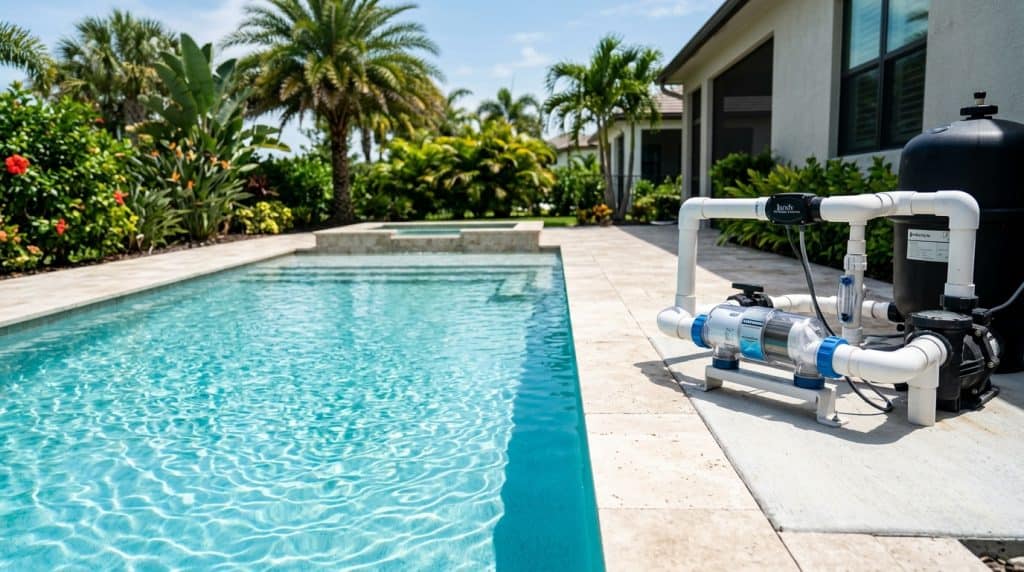
At its heart, a saltwater pool is still a chlorine pool. The key distinction lies in how the chlorine is generated. Traditional chlorine pools rely on adding stabilized chlorine in granular, tablet, or liquid form directly to the water. Saltwater pools, conversely, utilize a salt chlorinator (also known as a salt cell or salt chlorine generator) to convert dissolved salt (sodium chloride) into hypochlorous acid – the active sanitizer – through a process called electrolysis. This continuous, on-demand generation minimizes the need for manual chlorine additions, contributing to a different maintenance profile. While the chemical end product is largely the same, the operational experience and long-term implications for pool owners in our specific climate vary significantly. Regular attention to all pool systems, including the often-overlooked plumbing, is crucial; for instance, unexpected water loss can indicate a need for electronic acoustic pool leak detection to prevent further issues and maintain chemical balance efficiently.
The Advantages of Saltwater Pools for Tampa Bay Residents
Many Tampa Bay pool owners gravitate towards saltwater systems for a compelling set of benefits, particularly regarding comfort and perceived ease of use. The primary advantage is the softer, silkier feel of the water. This is due to the lower concentration of chloramines (byproducts of chlorine reacting with contaminants) and the presence of dissolved salt, which is less harsh on skin and eyes than the higher concentrations of traditional chlorine. For those sensitive to chlorine, this can be a significant comfort factor. Furthermore, the continuous, automated chlorine generation from a salt cell reduces the frequency of manual chlorine shocking and daily chemical balancing, potentially saving time on routine upkeep. This consistent sanitization also contributes to stable water chemistry, provided the salt cell is functioning optimally and other parameters like pH and alkalinity are regularly monitored. The convenience of not having to store or handle large quantities of harsh chlorine chemicals is also a major draw for many homeowners. Salt chlorinators generate high localized pH levels that can accelerate mineral crusting; discover safe removal techniques in our guide to removing hard water calcium scale from pool tile without damage.
Improved Swimmer Comfort and Reduced Irritation
One of the most frequently cited benefits of saltwater pools, especially in the warm, humid climate of Florida, is the enhanced swimmer comfort. Traditional chlorine pools, when not properly maintained, can lead to red eyes, dry skin, and a strong “chlorine smell” – which is actually the smell of chloramines, not chlorine itself. Saltwater pools produce chlorine more consistently and in lower, more stable concentrations, leading to fewer chloramines. The dissolved salt in the water also contributes to a softer feel, akin to a mild saline solution, which is much gentler on skin, hair, and swimwear. This makes for a significantly more pleasant swimming experience, particularly for children or individuals with sensitive skin, allowing them to enjoy their pool for longer periods without discomfort, a crucial factor when the pool is a primary source of recreation and cooling during our long summer months.
Automated Chlorine Generation and Reduced Manual Dosing
The automation inherent in a saltwater chlorination system is a major convenience for busy Tampa Bay homeowners. Instead of manually adding chlorine tablets, liquid, or granular shock several times a week, a salt cell continuously produces chlorine as needed. Once the system is set to the desired output, it largely manages itself, provided the salt level is within range and the cell is clean. This significantly reduces the daily or weekly chore of chemical additions, freeing up time for other activities or simply more relaxation by the pool. While chemical testing is still essential (pH, alkalinity, calcium hardness, and cyanuric acid), the primary sanitizer is handled automatically. This “set it and forget it” aspect, while not entirely true, is a strong selling point for those seeking a less hands-on approach to pool maintenance, though it doesn’t eliminate the need for comprehensive weekly pool service and chemical maintenance by professionals.
The Disadvantages and True Costs of Saltwater Pools in Tampa Bay
While saltwater pools offer compelling benefits, they are not without their drawbacks, particularly when considering the specific environmental factors and cost implications in Florida. The initial investment for a salt chlorinator system is higher than a traditional chlorine setup, and this cost needs to be factored into the overall budget. Furthermore, while operational costs for chlorine itself might be lower, other expenses related to the salt cell and its impact on pool components can offset these savings. The corrosive nature of saltwater, even at low concentrations, also demands specific attention to pool equipment and materials. Understanding these aspects is crucial for a complete picture of saltwater pool maintenance cost in our region.
Higher Initial Installation Cost
The upfront cost for converting a traditional chlorine pool to a saltwater system or installing one from scratch is notably higher. A quality salt chlorine generator, including the cell and control board, can range from $1,000 to $3,000 or more, not including installation labor. This is a significant investment compared to the relatively low initial cost of a chlorine feeder or simply purchasing chlorine chemicals. This initial outlay must be weighed against the long-term savings on purchasing packaged chlorine, which may take several years to materialize. For homeowners in areas like Brandon and Valrico, where new pool installations are common, understanding this initial expenditure is a critical part of the budgeting process for their backyard oasis, making reliable pool service routes in Brandon and Valrico even more valuable for optimizing their investment.
Salt Cell Replacement and Maintenance
The salt cell itself is a consumable item with a finite lifespan. Typically, a salt cell will last anywhere from 3 to 7 years, depending on usage, water chemistry, and proper maintenance. Replacing a salt cell can cost anywhere from $500 to $1,000 or more, representing a significant recurring expense that traditional chlorine pools do not incur. Additionally, salt cells require periodic cleaning to remove calcium buildup (scaling), especially in Florida where our water is often hard. While some homeowners perform this themselves, it involves handling muriatic acid, which requires caution. Neglecting cell cleaning or proper water balance can shorten the cell’s lifespan, directly impacting the saltwater pool maintenance cost.
Corrosion Risks for Pool Equipment and Surfaces
The presence of salt in the water, even at the relatively low levels used in saltwater pools (typically 3,000-4,000 ppm), can accelerate corrosion of certain pool components. Metal parts like heater elements, handrails, ladders, and even some pump components are susceptible. Stone coping, certain types of decking, and even the pool’s plaster or tile grout can also be affected over time, leading to premature deterioration or staining if not properly managed. This means choosing salt-compatible equipment and materials is crucial, and diligent maintenance, including ensuring proper bonding and grounding, becomes even more important. Homeowners investing in luxury residential pool care in South Tampa often appreciate proactive advice on material compatibility to protect their significant investment. Both saltwater and traditional chlorine basins require heightened diligence during torrential rain periods; see our expert tips for Florida summer pool care during heatwaves and downpours.
Water Chemistry Nuances and Balancing Act
While saltwater pools automate chlorine generation, they do not eliminate the need for diligent water chemistry management. In fact, they introduce new considerations. Salt levels must be maintained within a specific range, requiring periodic testing and salt additions. The continuous production of chlorine can also cause pH to rise more rapidly, necessitating more frequent pH adjustment with acid. Calcium hardness is another critical parameter, as high levels combined with high pH can lead to scaling on the salt cell and pool surfaces. Cyanuric acid (CYA) levels are also vital, as they protect chlorine from the intense Florida UV rays but can accumulate over time, requiring partial draining and refilling. Achieving and maintaining this delicate balance, especially with our tropical rain dilution, is critical for optimal system performance and longevity.
Chlorine Pools: Traditional Approach in a Modern Context
Despite the rise in popularity of saltwater systems, traditional chlorine pools remain a prevalent and effective choice for many Tampa Bay residents. The fundamental principle involves directly adding chlorine compounds to the water to sanitize it. While it requires more manual intervention than a saltwater system, traditional chlorine offers its own set of advantages, particularly in terms of lower initial cost and simpler componentry. Understanding the nuances of a traditional chlorine pool in the Florida climate is essential for making a balanced decision when considering the saltwater pool vs chlorine Florida debate, especially as it relates to ongoing maintenance and potential issues.
Lower Initial Investment and Simpler System
The primary advantage of a traditional chlorine pool is its significantly lower initial setup cost. There’s no expensive salt chlorinator or control board to purchase and install. The basic equipment includes a skimmer, filter, and pump, with chlorine typically added manually or through an inexpensive feeder. This makes traditional chlorine pools a more accessible option for many homeowners, particularly those on a tighter budget for initial construction or conversion. The simplicity of the system also means fewer complex electronic components that could fail, potentially leading to lower repair costs in the long run. This straightforward approach appeals to those who prefer tried-and-true methods without the added complexity of a generator system.
Effective and Proven Sanitization Method
Chlorine has been the industry standard for pool sanitization for decades, and for good reason. It is a highly effective disinfectant, capable of killing bacteria, viruses, and algae quickly and efficiently. When properly maintained, a chlorine pool can offer crystal-clear, safe swimming water without issues. The direct control over chlorine levels allows for quick adjustments, which can be particularly useful after heavy rain, large pool parties, or during periods of intense algae growth – common occurrences in Florida. The ability to “shock” the pool with a high dose of chlorine to rapidly address contamination or algae blooms is a powerful tool in a pool owner’s arsenal, ensuring rapid recovery and continued enjoyment of the pool. For particularly challenging situations, like widespread algae, a fast 48-hour green pool recovery service can restore water clarity quickly.
Fewer Corrosion Concerns for Equipment
Unlike saltwater systems, traditional chlorine pools do not introduce dissolved salt into the water, thereby eliminating the associated corrosion risks to metal components, stone, and certain pool surfaces. This can lead to a longer lifespan for pool heaters, handrails, ladders, and even the internal workings of pumps and filters. While proper chemical balance is always important to prevent issues like etching or staining, the absence of salt reduces one significant variable contributing to premature equipment wear. This aspect can translate to lower long-term repair and replacement costs for pool equipment, making the overall cost of ownership potentially more predictable. When considering comprehensive care, remember that even in traditional pools, issues like pump wear can occur, necessitating professional pool pump and motor repair in Tampa Bay for optimal circulation and filtration.
Making the Right Choice for Your Tampa Bay Pool
The decision between a saltwater pool vs chlorine Florida system ultimately depends on a homeowner’s priorities, budget, and willingness to engage with pool maintenance. There is no universally “better” option; rather, it’s about finding the best fit for your specific lifestyle and pool. Consider the initial investment versus long-term operational and replacement costs. Evaluate your sensitivity to chlorine and the importance of softer water for your family. Factor in the level of automation you desire versus the hands-on approach of traditional chlorination. It’s also wise to consult with local pool professionals who understand the unique challenges of the Tampa Bay climate and can provide tailored advice based on your pool’s size, equipment, and usage patterns. For instance, homeowners in Pinellas County may have different considerations than those further inland, making local expertise, such as Pinellas County pool cleaning in Clearwater, invaluable. To compare the full annual operating differences between salt cell replacements and chemical maintenance, read our breakdown of weekly pool service costs in Tampa Bay.
The intense Florida sun, especially during our extended summer months, places an immense burden on pool sanitization and equipment longevity. Proactive maintenance, regardless of your chosen system, is paramount to prevent costly repairs and ensure consistent water quality. As new energy efficiency standards emerge and our climate patterns continue to shift, staying informed about evolving pool technologies and preventative care strategies will be key to enjoying your pool for years to come. Investing in consistent, professional oversight will always be the most effective way to protect your pool and maximize your family’s enjoyment, mitigating the unique challenges of Florida pool ownership.