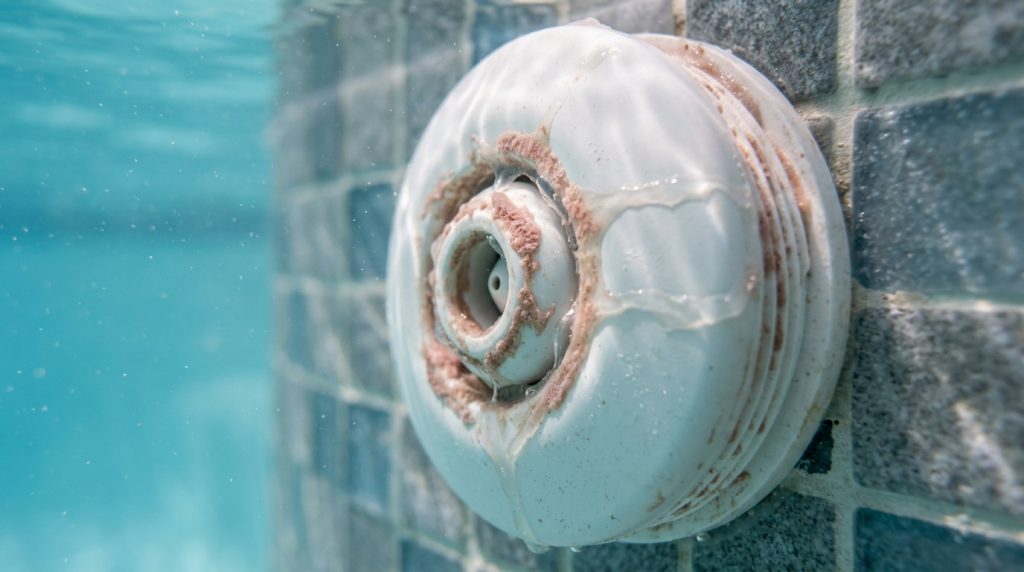
The intense solar radiation and frequent tropical downpours of the Tampa Bay climate create a highly volatile environment inside residential swimming pools. While most owners focus on basic algae control, a far more resilient threat quietly colonizes the dark, inaccessible recesses of PVC plumbing lines. Eradicating these stubborn bacterial biofilms is the key to restoring pristine, sanitary swimming water.
The Hidden Threat of Bacterial Biofilm in Florida Swimming Pools
Maintaining clear water in a subtropical climate requires vigilant sanitation, but standard chemical levels often fail to penetrate the protective matrix of advanced biological colonies. When residential pool owners notice a pinkish residue or tissue-like white flakes floating in the water, they are not dealing with typical algae, but rather highly structured bacterial colonies that have anchored themselves inside the plumbing. Utilizing a professional weekly pool service and chemical maintenance regimen is the most effective way to prevent these organisms from establishing a foothold, as they thrive on the organic contaminants carried into the water by heavy Florida rains and high bather loads. Once these pathogens take root, they secrete a protective, slimy polysaccharide matrix that shields them from standard chlorine levels, making eradication a complex, multi-step chemical process.
Identifying Pink Slime and White Water Mold
Many pool owners mistake these biological invaders for common algae, which leads to incorrect treatment methods and repeated outbreaks. Pink slime is actually a species of Gram-negative bacteria known as Methylobacterium, which manifests as a bright pink, orange, or reddish film on moist, porous surfaces. While it frequently starts as a subtle discoloration on plastic fixtures, finding pink bacteria pool stairs tampa is a common indicator that the colony has already established itself in the pool’s visible structure. This bacterium is highly opportunistic and thrives in the warm, humid conditions characteristic of the Tampa Bay area, utilizing phosphorus, environmental dust, and organic debris as its primary food sources.
On the other hand, white water mold is a fungal-like bacterial growth that resembles shredded tissue paper or wet toilet paper floating in the water. This substance is exceptionally sticky and easily adheres to the interior walls of your plumbing, where it can grow completely undetected until large clumps break off and enter the pool basin. Learning how to kill white water mold in pool systems requires a comprehensive approach because simply skimming these floating white flakes out of the water does nothing to address the massive, self-replicating reservoir hidden deep within the filtration system.
Why Standard Chlorine Fails Against Biofilm
The primary reason these pathogens are so difficult to eliminate is their ability to construct a protective shield known as an extracellular polymeric substance, or biofilm. When bacteria colonize the interior of your PVC lines, they secrete this slimy matrix, which acts as a physical barrier that prevents chlorine from directly contacting the bacterial cells. Consequently, even if you maintain a standard free chlorine level of 2 to 4 parts per million, the sanitizer merely washes over the surface of the biofilm without neutralizing the active bacteria living underneath. This resilience is why pool owners often experience recurring water quality issues immediately after shocking their pools, as the surviving bacteria rapidly rebuild their colonies.
To break through this defensive barrier, a specialized chemical treatment known as a biofilm flush for residential swimming pools is required to loosen the matrix and strip it from the pipe walls. This process involves introducing concentrated enzymatic or surfactant-based purging agents directly into the skimmer, which breaks down the organic binders holding the biofilm together. If your pool has suffered from a severe, long-term infestation that has compromised the water safety, executing a professional fast 48-hour green pool recovery service can help restore chemical equilibrium and eliminate the deeply rooted biological contaminants that standard homeowner treatments fail to reach.
Step-by-Step Eradication Protocol for Pool Owners
Step 1: Mechanical Cleaning and Physical Removal
The first phase of eradicating these stubborn contaminants involves physically breaking up any visible colonies on the pool’s surface. You must thoroughly brush all affected areas, paying close attention to shaded zones, under the coping, behind light niches, and around the steps where pink bacteria pool stairs tampa tend to cluster. Physical agitation disrupts the biofilm matrix, exposing the underlying bacteria to the sanitizers that will be introduced in the subsequent steps of the process. It is critical to use a high-quality pool brush compatible with your pool surface—nylon for vinyl liners and fiberglass, or stainless steel for plaster and pebble-tec finishes—to ensure you scrape away the stubborn film without damaging the underlying material.
Step 2: Purging the Plumbing Lines
Once the visible surfaces are clean, you must address the primary source of the infestation, which is the accumulation of pink slime in pool pipes. This step requires circulating a professional-grade plumbing flush through the entire system for at least 12 to 24 hours to ensure the chemical agents have sufficient contact time to dissolve the biofilm. Because this purging process dislodges massive amounts of organic debris and slimy residue, it puts an immense strain on your filtration system and pump motor. If you notice a sudden drop in water flow or an unusual noise coming from your equipment pad during this intense circulation cycle, it may indicate a clog or equipment strain requiring professional pool pump and motor repair in Tampa Bay to prevent permanent mechanical failure.
Step 3: Superchlorination and Shocking
After the biofilm has been loosened and flushed into the pool basin, you must execute a massive superchlorination process to oxidize the released organic matter and kill the remaining bacteria. To successfully execute how to kill white water mold in pool plumbing, you must raise the free chlorine level to a minimum of 30 parts per million, which is roughly three to four times the dosage of a standard weekly shock treatment. Before adding the liquid chlorine or cal-hypo, ensure your pH is balanced between 7.2 and 7.4, as chlorine becomes significantly less effective in high-pH water. This extreme chlorine level must be maintained for at least 36 hours to guarantee that every single bacterial spore and fungal thread is completely destroyed.
Step 4: Filtration and Post-Treatment Cleanup
During and after the superchlorination phase, run your filtration system continuously to capture the dead biological material suspended in the water. As the pool clears, you will need to backwash your sand or D.E. filter, or thoroughly clean your cartridge filters multiple times to prevent the trapped dead mold and slime from re-contaminating the water. If you are dealing with a severe infestation, it is highly recommended to completely discard the old filter cartridges or media and replace them with fresh, sterile elements. For homeowners who prefer to avoid the intensive physical labor and chemical handling required for this deep sanitation process, partnering with local pool maintenance services in Tampa ensures that the entire system is professionally sanitized, balanced, and restored to pristine safety standards.
Comparing Biological Pool Contaminants
To help pool owners distinguish between these frustrating biological invaders, the following comparison table outlines the key differences in appearance, primary habitat, and typical behavior of pink slime, white water mold, and mustard algae:
| Contaminant Type | Visual Appearance | Primary Habitat | Chlorine Resistance |
|---|---|---|---|
| Pink Slime | Pink, orange, or reddish translucent film; slimy texture | Plumbing lines, plastic fixtures, light niches, steps | Extremely High (Requires biofilm flush and superchlorination) |
| White Water Mold | White, shredded tissue-like flakes; sticky clumps | Interior PVC pipe walls, filter media, skimmer throats | Very High (Requires mechanical purging and high shock levels) |
| Mustard Algae | Yellowish-brown, powdery dust; easily brushed away | Shaded pool walls, floor, steps, accessories | Moderate (Requires copper-based algaecides and standard shocking) |
Understanding these distinct characteristics is vital because treating a bacterial biofilm with standard algaecides is completely ineffective and can actually provide additional organic nutrients that fuel further bacterial growth. If you are struggling to maintain this delicate chemical balance or suspect a hidden leak is introducing fresh organic contaminants from the surrounding water table into your plumbing, securing an electronic acoustic pool leak detection service can identify structural compromises that allow groundwater to bypass your filtration system. Eliminating pink slime in pool pipes requires a holistic view of your entire pool system, combining mechanical cleanliness, precise chemical balance, and robust hydraulic circulation.
Future-Proofing Your Pool Hydraulics and Sanitation
As Florida transitions toward more stringent residential energy efficiency standards, the management of pool hydraulics is undergoing a significant evolution that directly impacts biofilm prevention. Modern variable-speed pumps allow homeowners to run their filtration systems for longer periods at lower speeds, drastically improving water circulation without escalating electricity costs. This continuous movement of water is one of the most effective natural deterrents against the stagnation that allows pink slime in pool pipes to form in the first place. By aligning your filtration schedules with seasonal temperature shifts and preparing your equipment for the intense organic loads of the summer storm season, you can ensure your swimming pool remains a clean, safe, and beautiful backyard oasis for years to come.