Ah, the sounds of summer in Tampa Bay: the gentle rustle of palm trees, the distant cry of a seagull, and the… *click-clack, click-clack* of your pool skimmer weir door? If that last one sounds all too familiar, you’re not alone. That persistent, often irritating pool skimmer flap clicking noise is a common complaint among pool owners, and while it might seem minor, it can be a symptom of underlying issues that impact your pool’s health and your pump’s longevity.
As a CPO-certified pool operator right here in sunny Tampa Bay, Florida, I’ve heard and fixed my fair share of chattering weir doors. My goal today is to equip you with the knowledge to diagnose, troubleshoot, and effectively silence that noisy gate, ensuring your pool system runs smoothly and efficiently. We’ll dive deep into the causes, offer practical, Florida-specific fixes, and crucially, discuss how to prevent the dreaded pump vortexing that can harm your valuable equipment.
Understanding Your Skimmer Weir Door: The Unsung Hero
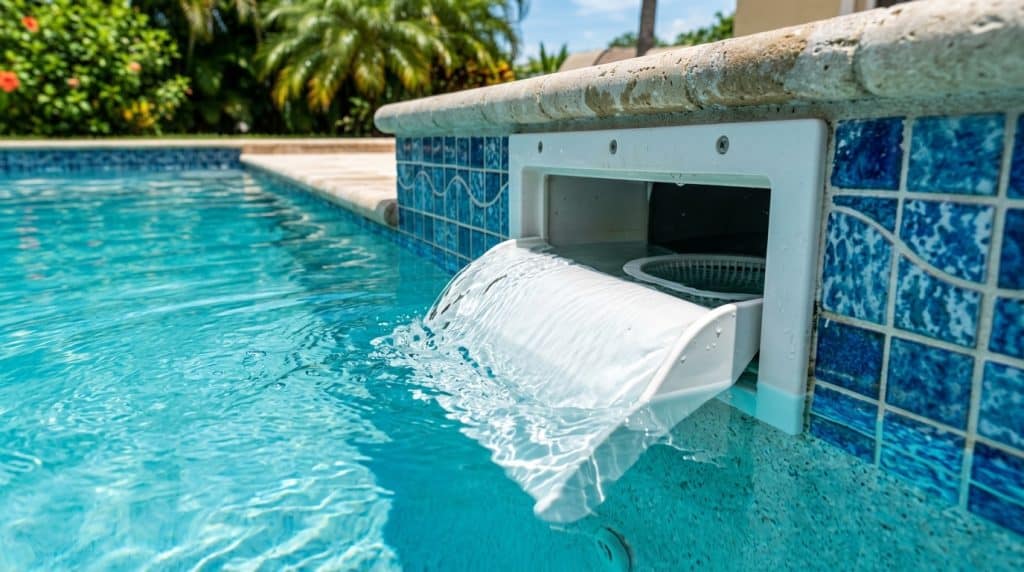
Before we tackle the chatter, let’s appreciate the unsung hero of your pool’s circulation system: the skimmer weir door. This seemingly simple hinged flap, typically made of plastic, floats at the opening of your skimmer box. Its primary purpose is threefold:
- Surface Skimming Efficiency: It creates a thin, high-velocity sheet of water flowing into the skimmer, effectively pulling surface debris (leaves, pollen, insects, our ubiquitous Florida lovebugs) into the basket. Without it, water would enter the skimmer from all directions, reducing skimming effectiveness.
- Debris Retention: When your pump turns off, the weir door ideally floats back up, preventing collected debris from floating back out into the pool.
- Pump Prime Maintenance: In some setups, especially with low water levels, it can help maintain a prime by ensuring the skimmer throat remains filled with water.
When this critical component isn’t performing correctly, that’s when the clicking begins, often signaling a chain reaction of problems for your pool’s circulation.
The Annoying Truth: Why Your Skimmer Weir Door is Chattering
That incessant pool skimmer flap clicking noise is more than just an annoyance; it’s a message from your pool. Decoding that message is the first step to a quiet, efficient system. Here are the most common culprits:
1. Low Water Level: The Leading Cause of Chatter and Vortexing
In Florida’s heat, evaporation is a constant battle, and heavy rain can sometimes temporarily disguise a true low level. If your pool’s water level consistently drops below the middle of your skimmer opening, the weir door will struggle to float properly. Instead of a smooth, even flow, the water rushes in, creating turbulence that causes the door to rapidly open and close against the skimmer wall. This is often accompanied by gulping sounds and can lead to significant air ingestion, a precursor to pump vortexing.
2. Improper Weir Door Function or Damage
- Stuck or Binding Weir Door: Debris (like stubborn palm fronds), calcium buildup (a common issue in our hard water regions), or even a warped plastic frame can cause the weir door to stick, preventing its smooth operation. A skimmer weir door stuck up pump sucking air is a classic symptom of this.
- Damaged Hinge or Flotation Foam: Many weir doors have a foam core for buoyancy or a spring-loaded hinge mechanism. If this foam becomes waterlogged, degrades due to UV exposure, or the spring breaks, the door loses its ability to float or pivot freely, leading to erratic movement and chattering.
- Incorrect Size or Type: Believe it or not, not all weir doors are universal. An ill-fitting door might bind, not float correctly, or allow too much water to rush past, exacerbating turbulence.
3. Excessive Pump Suction or Imbalance
Sometimes, the problem isn’t the weir door itself but the sheer force of water being pulled through the skimmer:
- Valves Set Incorrectly: If you have multiple skimmers or a main drain, and too much suction is directed to a single skimmer, the water velocity can be too high for the weir door to handle smoothly.
- Clogged Filter or Plumbing: Counterintuitively, a dirty pool filter or a partially clogged suction line (further downstream from the skimmer) can cause the pump to work harder, increasing localized suction at the skimmer mouth. This heightened demand can create excessive turbulence, making the weir door chatter.
- Oversized Pump: Less common for existing setups, but an oversized pump for the plumbing system can also generate excessive flow.
4. Air Leaks in the Suction Line
If your pump is sucking air from somewhere else in the suction side (e.g., a loose pump lid, a cracked union, a tiny pinhole leak in the underground plumbing), it can introduce air bubbles into the system. This erratic flow of water and air can cause the weir door to behave erratically, chattering as the air-water mixture passes through.
5. Debris Obstruction
This is a simple one, but often overlooked. A large leaf, a small toy, or even a build-up of fine sediment at the bottom of the skimmer throat can create an uneven flow, causing the weir door to flutter and chatter as water tries to pass around the obstruction.
6. Worn or Aged Weir Door
Florida’s intense UV rays, combined with constant chemical exposure (chlorine, sanitizers), can degrade the plastic and foam components of your weir door over time. The plastic can become brittle, warp, or lose its smooth edges, leading to binding and chattering.
Diagnosing the Chatter: A Step-by-Step Checklist
Let’s play detective! Here’s how you can systematically pinpoint the cause of your pool skimmer flap clicking noise:
- Check Water Level Immediately: This is step one for a reason. Ensure your pool water is at least halfway up the skimmer opening, ideally 2/3rds of the way up. If the weir door water level too low, top off your pool and see if the chatter stops.
- Turn Off the Pump and Inspect:
- Visually examine the weir door for any obvious damage: cracks, warps, missing foam, broken hinges, or excessive calcium buildup.
- Manually move the door up and down. Does it move freely and smoothly? Does it float easily?
- Look for any debris caught around the door or in the skimmer throat.
- Observe with Pump On:
- With the pump running, watch the weir door. Does it chatter consistently, or intermittently?
- Does it seem to be pulled too far down, allowing air to be sucked in from above?
- Listen for gulping or sucking air sounds coming from the skimmer itself.
- Check Skimmer Basket and Main Drain:
- Is your skimmer basket clean? A full basket can restrict flow, leading to increased suction and chatter.
- If you have a main drain, try adjusting the valve to direct more flow to the main drain and less to the skimmer. Does the chatter reduce?
- Listen for Air Leaks Elsewhere: Walk around your pump and filter. Listen for hissing sounds, especially around the pump lid, unions, and any visible plumbing connections on the suction side (before the pump).
- Check Filter Pressure: Note your filter’s pressure gauge. Is it significantly higher than your clean operating pressure? A dirty filter can cause increased suction demand.
Effective Fixes for a Chattering Skimmer Weir Door
Once you’ve diagnosed the issue, applying the right fix is straightforward. Here are the common solutions:
1. Adjust Your Pool’s Water Level
The Easiest Fix: If your weir door water level too low is the culprit, simply add water to your pool until it’s at the ideal level (typically about halfway to two-thirds up the skimmer opening). This will allow the weir door to float and operate as intended, usually silencing the chatter immediately. Remember, in Florida, it’s a good practice to check your water level weekly due to evaporation and top off as needed.
2. Clean and Maintain Your Weir Door
If debris or calcium buildup is causing the door to stick:
- Remove Debris: Turn off your pump, remove the weir door if possible, and thoroughly clean any leaves, twigs, or other gunk from its hinges and surrounding skimmer opening.
- Clean Calcium Buildup: For stubborn calcium, a stiff brush and a mild acidic cleaner (like a diluted muriatic acid solution, used with extreme caution and proper PPE) can help dissolve the deposits. Alternatively, specialized calcium removers are available at your local pool supply store. Always rinse thoroughly.
- Lubricate (Carefully): A very small amount of silicone-based lubricant (pool-specific) can be applied to the hinge pins if they are stiff. Avoid petroleum-based products, as they can degrade plastic.
3. Replace the Skimmer Weir Door
If your door is cracked, warped, waterlogged, or simply worn out, it’s time for a replacement. This is a common solution, especially for that persistent pool skimmer flap clicking noise.
- Choosing the Right Replacement:
- Measure: Most weir doors are standardized, but measure your existing door’s width and height to ensure a snug fit.
- Type: Some are foam-filled for buoyancy, others are spring-loaded. Stick with the type originally designed for your skimmer. Universal spring-loaded options are widely available and often work well.
- How to replace pool skimmer weir gate flapper:
- Turn Off Pump: Safety first!
- Remove Old Door: Most simply snap out of their retaining clips or can be slid out of channels. You might need to gently pry it with a flat-head screwdriver.
- Clean Area: While the door is out, take the opportunity to thoroughly clean any gunk or calcium from the skimmer opening and mounting points.
- Install New Door: Align the new weir door with the mounting slots and snap or slide it into place. Ensure it pivots freely.
- Test: Turn on the pump and observe. The new door should float smoothly and control the water flow without chattering.
4. Adjust Suction Valves
If you have multiple skimmers or a main drain, proper valve adjustment is key. Try partially closing the valve to the chattering skimmer, or opening the valve to your main drain or another skimmer slightly more. This can reduce the velocity of water entering the noisy skimmer, allowing the weir door to operate more calmly.
5. Address Air Leaks in the Suction Line
If you suspect air is entering the system, this is often best left to a professional. However, you can check common culprits:
- Pump Lid O-ring: Inspect the O-ring on your pump lid for cracks or dryness. Clean it and apply a silicone lubricant. Ensure the lid is securely tightened.
- Plumbing Unions: Check any unions on the suction side of the pump for looseness or cracks.
- Plugs and Drains: Ensure any winterization plugs or drain plugs are tightly sealed with Teflon tape or sealant.
If the leak persists, it might be in the buried plumbing, requiring specialized leak detection services.
6. Clean or Backwash Your Filter
A dirty filter increases system pressure and can cause your pump to pull harder, leading to the issues described above. Regularly clean your cartridge filter or backwash your D.E. or sand filter to maintain optimal flow and reduce strain on your pump.
7. Adjust Pump Speed (for Variable Speed Pumps)
If you have a modern variable speed pump (VSP), you have a powerful tool at your disposal. Experiment with slightly lowering the RPMs when the chattering occurs. Often, a small reduction in pump speed can decrease the water velocity enough to silence the weir door without significantly impacting circulation.
Preventing Pump Vortexing: Protecting Your Investment
The pool skimmer flap clicking noise isn’t just irritating; it’s a warning sign, often indicating conditions that lead to pump vortexing. What is vortexing? It’s when your pump draws in large amounts of air along with water, creating a visible swirling “tornado” effect in the skimmer or at the main drain.
Why Vortexing is Bad for Your Pump:
- Pump Cavitation: This is the big one. When air enters the pump impeller, it creates tiny air bubbles that rapidly collapse under pressure. This cavitation sounds like gravel passing through your pump and can cause significant damage to the impeller and seals over time, leading to costly repairs or premature pump failure.
- Reduced Efficiency: Air in the system means your pump isn’t moving as much water as it should, leading to poor circulation, filtration, and sanitization.
- Increased Energy Consumption: Your pump has to work harder to overcome the air pockets, driving up your utility bill.
- Loss of Prime: Severe air ingestion can cause your pump to lose its prime, shutting down your entire circulation system.
Key Prevention Strategies:
Preventing vortexing goes hand-in-hand with keeping your weir door happy:
- Maintain Optimal Water Level: This is paramount. Always keep your water level at least halfway up the skimmer opening. This is your first line of defense against both chattering and vortexing.
- Clean Skimmer Baskets Regularly: A clear path for water flow means less suction force is needed, reducing the likelihood of turbulence and air being drawn in.
- Proper Valve Balancing: Ensure your suction valves are balanced to distribute flow evenly, preventing excessive suction at any single point.
- Timely Weir Door Replacement: A worn-out or damaged weir door that allows air to pass freely or gets stuck up, allowing the pump to suck air, is an open invitation for vortexing. Don’t procrastinate on replacing it.
- Professional System Checks: Regular professional pool service, like that offered by Tampa Bay Pool Care, includes checking for proper flow dynamics, potential air leaks, and ensuring all components are functioning optimally.
When to Call a Professional Pool Operator
While many of these fixes are DIY-friendly for the average Florida pool owner, some issues warrant professional intervention. Don’t hesitate to call if:
- You’ve tried the common fixes, and the pool skimmer flap clicking noise persists.
- You suspect a major air leak in your buried plumbing lines.
- Your pump is consistently losing prime or making unusual, loud noises (a sign of cavitation).
- You’re uncomfortable performing any of the repairs yourself.
- You need an expert to balance your system’s hydraulics or diagnose complex issues.
As a CPO-certified operator serving the entire Tampa Bay area, Tampa Bay Pool Care is always ready to assist. We have the tools and expertise to quickly diagnose and resolve even the trickiest pool system issues, ensuring your pool remains a source of relaxation, not frustration.
Silence the Chatter, Enjoy Your Oasis
That annoying pool skimmer flap clicking noise doesn’t have to be a permanent fixture in your backyard symphony. By understanding its causes, meticulously diagnosing the problem, and applying the right fixes, you can restore peace and quiet to your pool area. More importantly, you’ll be protecting your valuable pump from the damaging effects of vortexing, ensuring a longer lifespan and more efficient operation for your entire pool system. Happy swimming, Tampa Bay!