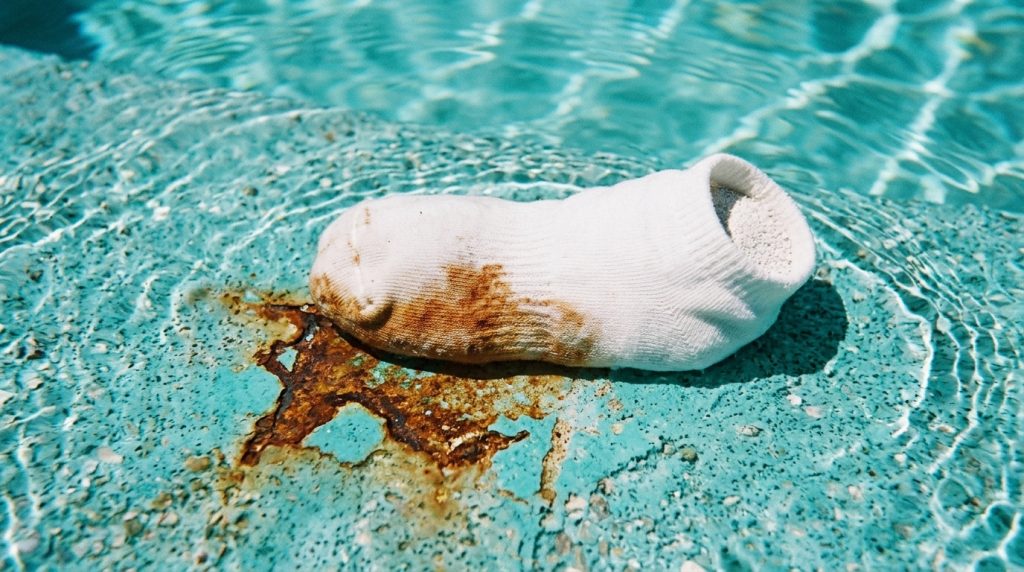
p>Tampa Bay’s relentless sub-tropical heat, paired with mineral-heavy well water and sudden torrential downpours, subjects inground pools to a continuous cycle of chemical destabilization. When dissolved iron and copper oxidize against plaster walls, they leave behind stubborn discolorations that chlorine cannot resolve. Restoring pristine plaster requires a precise, non-destructive chemical reduction process that lifts these metallic bonds.
Understanding the Origin of Metallic Stains on Pool Plaster
Before attempting any corrective chemical procedures, a pool owner must identify the root cause of the discoloration to prevent immediate reoccurrence. In the Tampa Bay region, heavy municipal and well water supplies often contain elevated levels of dissolved iron, manganese, and copper, which precipitate out of solution when pH and chlorine levels spike. Relying on professional weekly pool service and chemical maintenance ensures these metals remain sequestered, but when neglect or heavy rain dilution occurs, the oxidized metals bind directly to the porous plaster finish. These unsightly brown, orange, or black blemishes cannot be brushed away or oxidized with chlorine; in fact, increasing chlorine levels only worsens the oxidation, cementing the metallic stains deeper into the pool’s surface.
Why the Ascorbic Acid Pool Stain Treatment Works
For decades, pool owners facing severe metal discoloration believed their only recourse was to perform a costly acid wash or completely drain and refinish their pool. However, utilizing an ascorbic acid pool stain treatment offers a highly effective, non-destructive alternative that lifts metallic bonds directly from the plaster while the pool remains completely full. Ascorbic acid, commonly known as Vitamin C, acts as a powerful reducing agent that converts oxidized, insoluble ferric iron back into soluble ferrous iron, which easily dissolves back into the pool water. This chemical transformation allows pool owners to target deep-set discoloration without exposing the plaster to the corrosive, stripping effects of muriatic acid washes.
The Chemical Mechanism of Vitamin C Reduction
To appreciate the value of this approach, it helps to understand the underlying water chemistry detailed in any comprehensive vitamin c pool stain removal guide. When iron oxidizes, it gains oxygen molecules and forms a solid precipitate that clings tightly to the calcium carbonate in pool plaster. When ascorbic acid is introduced to the water, it donates electrons to the oxidized iron, breaking the oxygen bond and reducing the metal to a clear, liquid state. Because this reaction occurs at a molecular level, it preserves the integrity of your pool’s finish, ensuring you do not strip away the delicate top layer of plaster, quartz, or pebble finish that protects the structural shell of your inground pool.
A Detailed Walkthrough of Ascorbic Acid Pool Treatment Steps
Executing this process successfully requires strict adherence to a specific sequence of chemical adjustments, as rushing the steps can cause the lifted metals to immediately precipitate back onto the plaster. The primary goal of these ascorbic acid pool treatment steps is to temporarily lower the sanitizer levels and pH, allowing the ascorbic acid to work at peak efficiency without being neutralized by active chlorine. If your pool pump is failing or struggling to maintain high-rate circulation during this multi-day chemical process, you should secure a professional pool pump and motor repair in Tampa Bay before starting, as continuous filtration is absolutely critical to keeping the lifted metals suspended in the water column.
Phase 1: Preparing Your Pool Water Chemistry
To begin the treatment, you must systematically lower your pool’s free chlorine level to 0.0 parts per million (ppm), as active chlorine will rapidly oxidize and destroy the ascorbic acid before it can react with the metal stains. If you have a saltwater chlorine generator, turn it off completely, and let the sun naturally burn off the remaining chlorine, or utilize a chlorine neutralizer like sodium thiosulfate to speed up the process. Once the chlorine is depleted, adjust your pH down to 7.2 and your total alkalinity to between 80 and 100 ppm, which creates an optimal mildly acidic environment that encourages the metallic bonds on the plaster to weaken.
Phase 2: Applying the Ascorbic Acid and Spot Testing
Before broadcasting large quantities of chemical powder across your pool, perform a simple spot test by placing a handful of crushed Vitamin C tablets or pure ascorbic acid powder into a thin sock and holding it against a stained area for several minutes. If the stain fades or disappears rapidly under the sock, you have confirmed that the discoloration is indeed metallic and will respond beautifully to the full treatment. Once confirmed, broadcast high-quality, pure ascorbic acid powder around the perimeter of the pool at a rate of one-half pound per 10,000 gallons of pool water, ensuring your filtration system is running continuously on high speed to distribute the chemical evenly.
Phase 3: Metal Sequestration and Rebalancing
As the ascorbic acid circulates, you will observe the stubborn rust stains fading from the plaster within a matter of hours, but the process is not complete simply because the pool looks clean. The dissolved metals are now floating invisibly in the water, and if you immediately raise your pH or chlorine levels, these metals will instantly re-oxidize and settle right back onto the pool plaster. To prevent this, you must immediately add a high-quality, professional-grade metal sequestering agent (typically a phosphonic acid-based product) which chemically binds to the suspended metal ions, preventing them from solidifying while your filtration system slowly removes them.
How to Remove Iron Stains from Pool Plaster Without Draining
The greatest advantage of this chemical process is the ability to remove iron stains pool plaster without draining the pool, which is a critical safety consideration for homeowners across Florida. Because of our region’s extremely high water table, draining an inground pool can cause hydrostatic pressure to build up beneath the shell, literally popping the entire pool out of the ground and causing catastrophic, irreparable structural damage to your property. By utilizing a chemical reduction method, you eliminate this catastrophic risk entirely while saving thousands of gallons of water, making it the safest and most environmentally responsible method for maintaining pristine plaster in coastal climates.
Managing the Post-Treatment Chlorine Demand
Once the stains are gone and the sequestering agent has been thoroughly circulated for 24 hours, you must slowly and carefully rebuild your chlorine residual, which will experience a massive chemical demand due to the leftover ascorbic acid in the water. Adding chlorine too quickly will result in a rapid chemical reaction that can cause the water to turn a dramatic translucent green or brown as the remaining metals try to precipitate. To avoid this, add small, metered doses of liquid chlorine over several days, keeping a close eye on your pH and ensuring it does not rise above 7.4, which keeps the metal ions securely locked in their liquid state within the sequestering agent.
Long-Term Prevention of Metallic Discoloration in Florida Pools
After successfully restoring the brilliant white finish of your pool plaster, implementing a proactive preventative maintenance routine is essential to stop metals from accumulating in the future. For homeowners utilizing municipal water or shallow irrigation wells for pool top-offs in Pinellas County, utilizing a pre-filter attachment on your garden hose can trap heavy metals before they ever enter your pool system. If you suspect your pool is losing water rapidly due to structural issues rather than evaporation—requiring constant fresh, mineral-rich water top-offs—scheduling an electronic acoustic pool leak detection can pinpoint the source of the water loss, helping you stabilize both your water level and your chemical balance.
Additionally, maintaining a consistent chemical equilibrium is your best defense against metal precipitation, as sudden spikes in pH are the primary catalyst that forces dissolved minerals out of solution and onto your plaster. For busy homeowners who want to enjoy a pristine oasis without the constant stress of testing, balancing, and chemical handling, partnering with a professional service that provides luxury residential pool care in South Tampa guarantees that your water parameters remain perfectly balanced year-round. Consistent monitoring of total dissolved solids (TDS), calcium hardness, and metal concentrations ensures that your pool plaster remains bright, clean, and entirely free of unsightly rust blemishes for years to come.
Looking forward, the evolving landscape of pool ownership in Florida demands increasingly sophisticated water management strategies to adapt to shifting environmental conditions and rising municipal water costs. As seasonal weather patterns bring more intense tropical depressions and heavy mineral runoff into backyard basins, mastering advanced stain-reversal techniques like ascorbic acid reduction becomes a vital skill for protecting your backyard investment. By staying ahead of preventative chemical treatments and investing in energy-efficient filtration systems, local pool owners can ensure their aquatic spaces remain sparkling, structurally sound, and perfectly balanced against the unique challenges of the Gulf Coast climate.