Florida’s relentless sun and frequent, torrential downpours define pool ownership in the Tampa Bay area. This unique climate, while beautiful, introduces specific challenges, often unseen, that can rapidly transform crystal-clear water into an unsightly green mess. One such insidious culprit, frequently overlooked, thrives in our tropical environment, silently sabotaging your pool’s pristine condition.
The Invisible Threat: How Phosphates Infiltrate Your Florida Pool
In the vibrant, lush landscape of Florida, maintaining a sparkling pool often feels like a constant battle against nature. Phosphates, naturally occurring compounds of phosphorus and oxygen, are one of the most potent, yet often underestimated, adversaries in this fight. These microscopic nutrients act as a superfood for algae, providing the essential building blocks for rapid, unchecked growth, even when your chlorine levels appear adequate. Understanding their origin is the first step in prevention. Our unique climate, characterized by heavy rainfall and abundant vegetation, creates a perfect storm for phosphates to enter your pool, making weekly pool service and chemical maintenance an indispensable part of proactive pool care.
Understanding Phosphate Sources in the Sunshine State
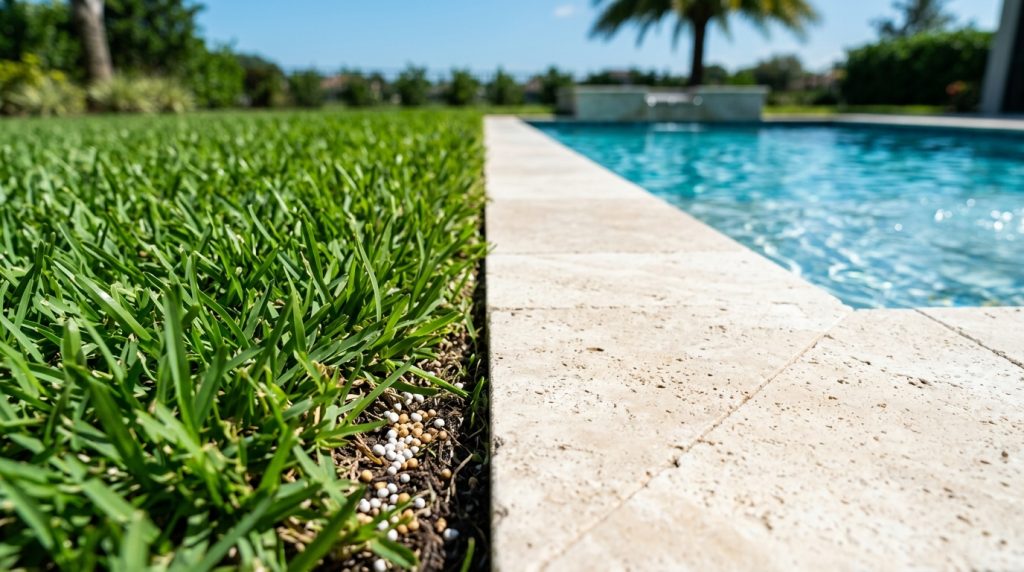
The primary source of phosphates infiltrating Florida pools is often directly linked to our beautiful, yet heavily fertilized, lawns and gardens. When homeowners apply fertilizers rich in phosphorus to promote lush growth, subsequent heavy rains, a common occurrence in the afternoon during our wet season, wash these nutrients off the land and directly into pool water. This phenomenon explains why many pool owners experience high phosphates in pool after heavy rain. Beyond fertilizers, decaying organic matter such as leaves, pollen, grass clippings, and even soil erosion from landscaping can introduce significant phosphate levels. Certain pool chemicals, while less common, can also contribute. Given our specific environmental factors, it’s imperative for Tampa Bay pool owners to be acutely aware of these pervasive sources.
The Algae Bloom Catalyst: Why Phosphates Fuel Green Pools
Algae, the bane of every pool owner’s existence, requires three fundamental elements to thrive: sunlight, water, and nutrients. While sunlight and water are unavoidable in a Florida pool, phosphates provide the crucial nutrient component, acting as a powerful growth accelerator. When phosphate levels are high, algae can multiply at an astonishing rate, overwhelming your sanitizer and leading to persistent green or cloudy water that seems impossible to clear. This is precisely why fast 48-hour green pool recovery service often involves addressing underlying phosphate issues, especially in cases where "fertilizer runoff pool algae tampa" has taken hold. Without managing phosphates, you might find yourself in a continuous cycle of shocking your pool, only for the algae to return within days.
Testing for Phosphates: Knowing Your Enemy
Effective phosphate management begins with accurate testing. Unlike chlorine or pH, phosphate levels aren’t typically part of standard weekly homeowner tests, but they are crucial for understanding persistent algae problems. Professional pool service technicians utilize specialized liquid test kits or digital meters that provide precise readings, often expressed in parts per billion (ppb). While some homeowners opt for test strips, professional-grade kits offer superior accuracy. It is generally recommended to keep phosphate levels below 100 ppb, with some experts advocating for levels as low as 50 ppb or even zero for optimal algae prevention. Regular testing, particularly after significant rain events or if algae problems persist, is key to proactive pool health.
Proactive Measures to Prevent Phosphate Buildup
Preventing phosphates from entering your pool is always more effective than removing them after they’ve become a problem. For Florida residents, this involves a multi-faceted approach. Start with smart landscaping practices: use phosphorus-free fertilizers, especially near the pool deck, or consider natural landscaping that requires less chemical intervention. Ensure proper drainage around your pool area to divert rainwater runoff away from the pool. Regular pool maintenance is also critical; consistently skimming leaves and debris, brushing pool surfaces, and maintaining a clean filter can significantly reduce organic matter that breaks down into phosphates. Implementing these preventative strategies can dramatically reduce the likelihood of costly algae outbreaks.
Effective Strategies to Remove Phosphates from Your Pool in Florida
When preventative measures aren’t enough, or if you’ve inherited a pool with existing high phosphate levels, targeted treatment is necessary. The most effective way to remove phosphates from pool Florida is through the application of a specialized phosphate remover. These products typically contain lanthanum chloride, which binds to phosphate ions, causing them to precipitate out of the water. It’s crucial to select a product appropriate for your pool size and phosphate concentration. Many modern phosphate removers are formulated to be local pool maintenance services in Tampa can confirm, making them a safe choice for households with pets or children. Always follow the manufacturer’s instructions carefully for dosage and application to ensure effective treatment and avoid clouding the pool.
Step-by-Step Phosphate Removal Process
Once you’ve identified high phosphate levels, the removal process is systematic. First, ensure your pool’s filtration system is operating optimally; clean or backwash your filter before treatment. Next, add the recommended amount of phosphate remover, typically poured slowly around the perimeter of the pool or directly into the skimmer. Allow your pool pump to run continuously for at least 24-48 hours to ensure thorough circulation and filtration. During this period, the phosphate remover will bind with the phosphates, creating tiny particles that will be trapped by your filter. After the treatment, backwash or clean your filter thoroughly, as it will be laden with the removed phosphates. Finally, re-test your phosphate levels to confirm the treatment was successful and repeat if necessary until desired levels are achieved, ensuring your water is ready for sparkling clarity.
Staying ahead of phosphate issues is a cornerstone of effective pool care in Florida, especially as our understanding of water chemistry continues to evolve. Proactive testing, diligent maintenance, and targeted treatment not only preserve the beauty and safety of your swimming environment but also align with broader environmental stewardship, contributing to healthier waterways for the entire Tampa Bay region.